About Poly tetraflouroethylene (PTFE )
Poly Tetraflouroethylene (PTFE )
CAS No. : 9002-84-
Other Names: Ptfe Powder, PTFE powder
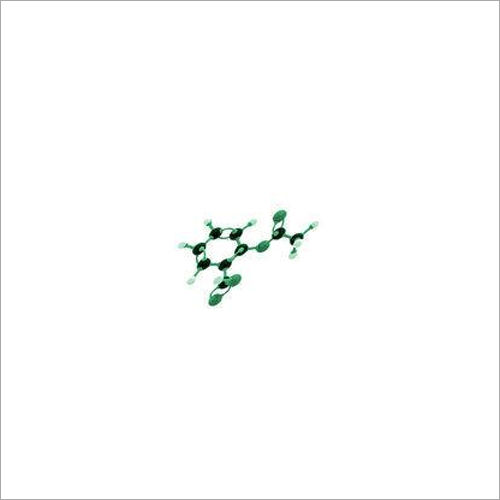
Molecular Formula : (CF2-CF2)n
Type: Synthetic Resin and Plastics
Appearance : Purity white powder
| Item | Poly tetraflouroethylene (PTFE ) |
| Appreance | Color Powder |
| Melting point | 327C |
| Boiling point | 400C |
| Density | 2.15g/ml at 20C |
| Refractive index | 1.35 |
| Solubility | Solubility in water |
| Stability | Stable under normal shipping and handing conditions |
| Incompatibilities | Strong oxidizing agents |
| Decomposition | Carbon monoxide,carbon dioxide,hydrogen fluoride |
Packaging Detail: 25kgs/double layer pp bag, 1 pp bag/cardboard drum.
Exceptional Chemical Resistance for Industrial ApplicationsPTFEs unique chemical structure provides outstanding resistance to almost all chemicals, making it invaluable in industries where corrosion resistance is crucial. Its inertness ensures durability even under harsh conditions, enhancing both performance and product lifespan in industrial, laboratory, and engineering settings.
Customizable Forms for Versatile UsageAvailable as granular, powder, sheets, or rods, PTFE can be tailored to specific engineering requirements. Whether you need materials for heavy-duty machinery or precise laboratory apparatus, its flexibility in size, form, and packaging ensures compatibility with diverse applications.
Safe Handling and Long Shelf LifeWith a neutral pH and non-flammable properties, PTFE is safe to handle and store. Following the recommended storage instructionskeeping the material in a cool, dry place away from sunlighthelps maintain its exceptional quality for up to 12 months from manufacture.
FAQs of Poly tetraflouroethylene (PTFE ):
Q: How should PTFE be stored to maintain its quality?
A: PTFE should be kept in a cool, dry environment, away from direct sunlight and sources of moisture. Storing it properly preserves its properties and ensures a shelf life of 12 months from the date of manufacture.
Q: What are the main applications of PTFE in industrial and laboratory settings?
A: PTFE is widely used as an engineering component, in laboratory equipment, and in diverse industrial processes due to its high purity, non-reactivity, and mechanical strength. Its formsgranular, powder, sheets, and rodscan be customized for various manufacturing and mechanical needs.
Q: Where can I purchase PTFE in custom sizes and packaging?
A: PTFE is available through distributors, exporters, importers, manufacturers, retailers, suppliers, traders, and wholesalers across India. Custom sizes and packaging options, such as bags, drums, or tailored solutions, can be arranged with your preferred supplier.
Q: What are the benefits of using PTFE over other materials?
A: PTFE stands out for its non-flammability, chemical resistance, high melting point, and neutral pH. Its exceptional inertness makes it ideal for demanding industrial, laboratory, and engineering environments where traditional materials may fail.
Q: What processes are used to fabricate PTFE into engineering components?
A: PTFE can be processed through machining, molding, and extrusion techniquesenabling it to be formed into custom-engineered parts, seals, gaskets, and linings that meet precise operational demands.
Q: When is PTFEs shelf life optimal, and how can you ensure it remains effective?
A: PTFE maintains optimal performance for up to 12 months when stored according to guidelines. Ensure the packaging remains sealed and the environment is cool and dry to prevent degradation.
Q: How does the appearance and physical state of PTFE benefit industrial users?
A: As a white, odorless, and tasteless solid, PTFE is easy to inspect for purity and cleanliness, ensuring reliable integration into sensitive industrial or laboratory processes while minimizing risk of contamination.



 English
 Spanish
 French
 German
 Italian
 Chinese (Simplified)
 Japanese
 Korean
 Arabic
 Portuguese






 Send Inquiry


 Send Inquiry
