


 English
 Spanish
 French
 German
 Italian
 Chinese (Simplified)
 Japanese
 Korean
 Arabic
 Portuguese



 जांच भेजें
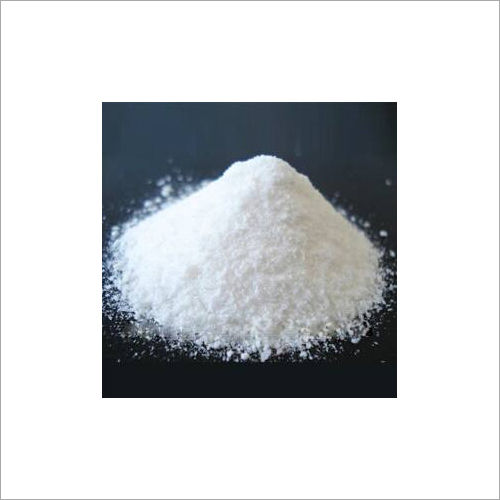
à¤à¥à¤²à¥à¤à¤¾à¤°à¤¾à¤²à¥à¤¡à¤¿à¤¹à¤¾à¤à¤¡
MOQ : 1 Kilogram
à¤à¥à¤²à¥à¤à¤¾à¤°à¤¾à¤²à¥à¤¡à¤¿à¤¹à¤¾à¤à¤¡ Specification
- फ़्लैश पॉइंट
- 113 °C (closed cup)
- पवित्रता
- 50%
- पैकेजिंग का प्रकार
- Drums, Carboys, HDPE Cans
- साइज
- 25 kg, 50 kg, 250 kg
- शेल्फ लाइफ
- 12–24 months
- आण्विक सूत्र
- C5H8O2
- घनत्व
- ग्राम प्रति घन सेंटीमीटर (g/cm3)
- पीएच लेवल
- 3.1 – 4.5 (50% solution)
- आणविक भार
- 100.12 g/mol
- क्वथनांक
- 101 °C
- भौतिक अवस्था
- Liquid
- ग्रेड
- Industrial Grade
- टाइप करें
- एप्लीकेशन
- Disinfection, Sterilization, Biocide, Water Treatment, Leather Tanning
- दिखावट
- Clear, Colorless to Slightly Yellow Liquid
- शुद्धता (%)
- 50.0
à¤à¥à¤²à¥à¤à¤¾à¤°à¤¾à¤²à¥à¤¡à¤¿à¤¹à¤¾à¤à¤¡ Trade Information
- Minimum Order Quantity
- 1 Kilogram
- आपूर्ति की क्षमता
- प्रति सप्ताह
- डिलीवरी का समय
- हफ़्ता
About à¤à¥à¤²à¥à¤à¤¾à¤°à¤¾à¤²à¥à¤¡à¤¿à¤¹à¤¾à¤à¤¡
Glutaraldehyde |
CAS Number : 111-30-8 |
Appearance :- Colourless oil liquid |
| Density :- 1.13 |
| Freezing Point: -21 c |
| Boiling Point 101c |
| Ph: - Mildly Acid |
Solubility : - Water, Ethanol, Benzene, Either |
| Use : |
Cold disinfectant in the health care industr |
Biocide in water treatment |
Hardener in x-ray film processi |
In tanning as a fixativ |
In animal housing for disinfectio |
As a biocide in aquacultur |
As an embalming agent |
FAQs of Glutaraldehyde:
Broad Applications for Industrial Use
Glutaraldehyde serves multiple industries, fulfilling roles as a disinfectant, sterilant, and biocide. It is instrumental in water treatment, ensuring safe water by eliminating harmful microorganisms. In leather tanning, it enhances durability and finish, while in healthcare, it provides a high level of sterilization for medical equipment.
Safe Packaging and Storage
Packaged in robust drums, carboys, and HDPE cans, glutaraldehyde is available in 25 kg, 50 kg, and 250 kg units for operational convenience. Its clear, stable liquid form simplifies handling and dosing, while proper storage ensures a shelf life of up to two years.
Reliable Purity and Quality Assurance
With a consistent purity of 50% in industrial-grade quality, glutaraldehyde is manufactured and traded under stringent guidelines. Each batch undergoes thorough inspection to uphold quality standards, catering to the demands of industrial clients across India and global markets.
FAQ's of Glutaraldehyde:
Q: How is glutaraldehyde typically used in disinfection and sterilization?
A: Glutaraldehyde is widely employed as a high-level disinfectant and chemical sterilant, particularly in healthcare settings for reprocessing medical instruments and equipment. Its efficacy against bacteria, viruses, and fungi makes it a trusted choice for sterilization applications.Q: What is the recommended process for using glutaraldehyde in water treatment?
A: For water treatment, glutaraldehyde is dosed in controlled amounts into the water system to eliminate microorganisms, algae, and biofilms. The solution should be handled following safety protocols, and dosing is adjusted according to the contamination level and water volume.Q: When should glutaraldehyde be applied during the leather tanning process?
A: In leather tanning, glutaraldehyde is typically introduced during the pre-tanning or tanning stages. Its application helps stabilize the collagen matrix, imparting durability and resistance to microbial degradation in finished leather products.Q: Where should this chemical be stored to maintain its shelf life?
A: Glutaraldehyde should be stored in tightly sealed drums, carboys, or HDPE cans in a cool, dry, and well-ventilated area, away from direct sunlight and heat sources, to maintain its stability and shelf life of 12-24 months.Q: What are the primary benefits of using a 50% glutaraldehyde solution in industrial applications?
A: A 50% glutaraldehyde solution provides reliable disinfection and biocidal action while being easy to handle and dose. Its effectiveness at low concentrations ensures cost-efficiency and broad-spectrum control over harmful microorganisms in various industrial processes.Q: How do you ensure safe handling and usage of glutaraldehyde in the workplace?
A: It is essential to use appropriate personal protective equipment (PPE) such as gloves, goggles, and masks, work in well-ventilated areas, and follow the supplier's safety guidelines to minimize exposure and ensure safe handling of glutaraldehyde.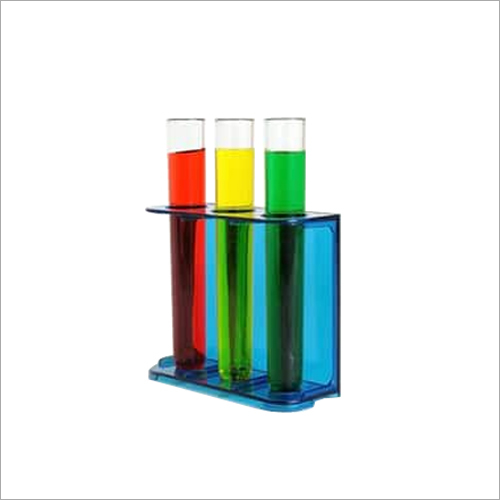
Tell us about your requirement

Price: Â
Quantity
Select Unit
- 50
- 100
- 200
- 250
- 500
- 1000+
Additional detail
मोबाइल number
Email

अधिक Products in Laboratory Chemicals Category

गोयल एंटरप्राइजेज
GST : 07AAWFG6770H1ZR
GST : 07AAWFG6770H1ZR
डी-36, गली नंबर-9, समयपुर इंड. क्षेत्र, हैवेल्स फैक्ट्री के पास,दिल्ली - 110042, भारत
फ़ोन :07313726550

 जांच भेजें



 |
GOEL ENTERPRISES
सर्वाधिकार सुरक्षित.(उपयोग की शर्तें) इन्फोकॉम नेटवर्क प्राइवेट लिमिटेड . द्वारा विकसित एवं प्रबंधित |
